Some athletes keep meticulous track of their nutrition, their training load, and their resting heart rate. And they sleep for six hours because the game ended late and their flight was early.
Sleep rarely features in training plans. It comes up in discussions about recovery, but almost always as an afterthought, not as an active factor. That’s a mistake with measurable consequences.
What happens in the body during deep sleep
During deep sleep, the body releases growth hormone. And not just in small amounts: approximately 70% of daily secretion occurs during this period. This hormone triggers muscle protein synthesis, repairs tissue damaged by exercise, and consolidates the adaptations resulting from training.
Without enough deep sleep, that process is disrupted. The muscle that should be growing doesn’t grow as quickly as it could. The recovery that should be complete within 48 hours is prolonged. And the athlete returns to training with a body that hasn’t fully processed the previous workout.
What an athlete loses when they don’t sleep well
Research on sleep deprivation in athletes is fairly consistent in its findings:
Reaction time slows down. In sports where milliseconds matter, this decline is competitively significant. Accuracy also decreases, especially in technical movements that require fine coordination.
The perception of exertion increases. With fewer hours of sleep, the same workout feels harder. Not because the body is less capable, but because the central nervous system is more fatigued than physical markers indicate.
The immune system weakens. High-performance athletes are already operating near the limit of what the immune system can tolerate. Sleep deprivation pushes that limit even lower, with the predictable result: more injuries and more inflammatory processes that take longer to resolve.

How many hours does an athlete need?
The honest answer is: more than most people get. Studies of elite athletes suggest that 8 to 10 hours is the optimal range, not just a goal. Some top athletes have reported significant improvements in performance simply by increasing their sleep from 6–7 hours to 9.
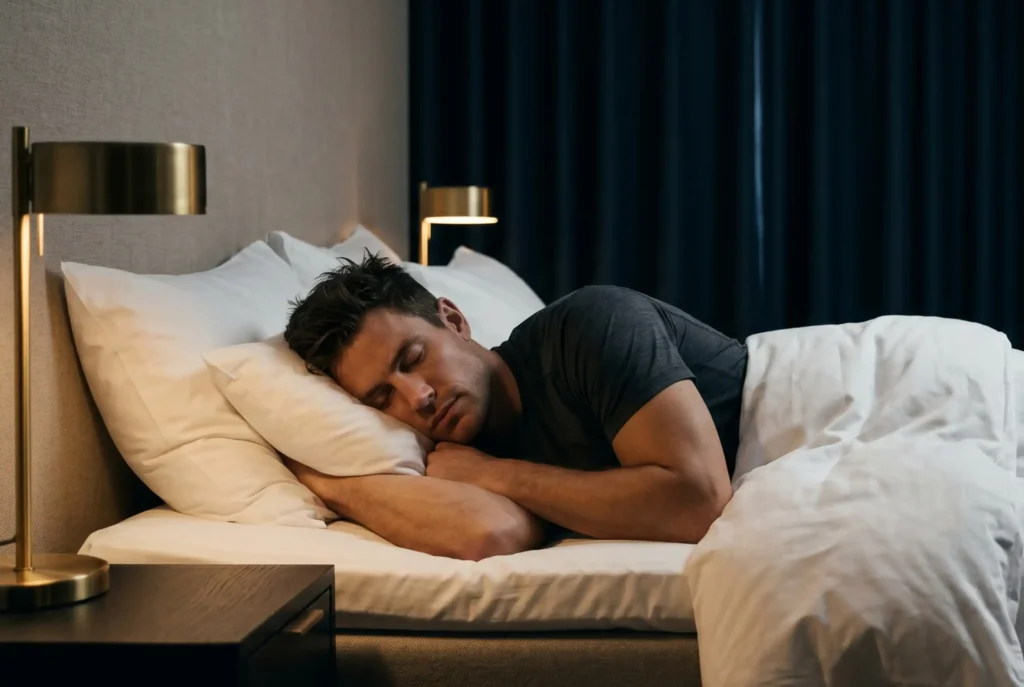
The problem isn’t just the quantity. It’s the quality. An athlete who sleeps 9 hours in a room with noise, an uncomfortable temperature, or frequent interruptions may not be recovering any better than one who sleeps 7 hours under optimal conditions.
That’s why the quality of rest in El Poblado matters so much when a team is playing on the road. The environment where the team sleeps isn’t just a logistical detail—it’s part of the preparation.
Sleep as a competitive factor
Teams that begin to treat sleep for what it is—a performance variable—adjust their focus protocols, training schedules, and lodging arrangements accordingly.
Choosing where athletes will stay before a competition shouldn’t come down solely to the nightly rate and distance from the stadium. It should also consider: Are the rooms soundproof? Is the temperature adjustable? Is the mattress firm enough? Does the overall environment promote rest or hinder it?
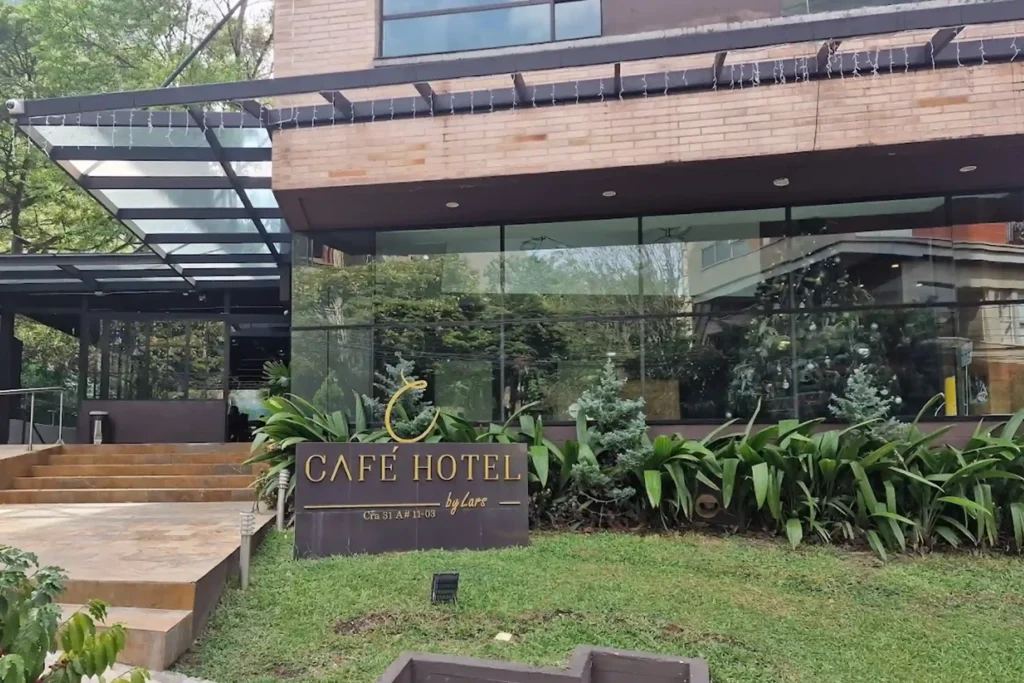
Café Hotel Medellín is located at Las Lomas 1 in El Poblado, a residential area with low noise levels. The rooms feature individual climate control and are designed with soundproofing that reduces outside noise. For teams training in Medellín, this isn’t a luxury—it’s a technical necessity. If you want to understand how logistics are organized for sports teams in Medellín, rest is always the starting point.
How to Improve Your Sleep Before a Competition
Some adjustments that sports science teams frequently recommend:
Stick to a regular schedule, even on travel days. Your circadian rhythm is disrupted more by inconsistent schedules than by time zone changes on short trips.
Limit screen time in the two hours before bed. Blue light suppresses melatonin. It’s a simple routine that few athletes follow consistently.
Control the room temperature. According to the literature on sleep hygiene for active adults, the most commonly recommended range is between 18 and 20 degrees Celsius.
Avoid intense workouts within three hours of going to bed. The stimulation of the sympathetic nervous system caused by high-intensity exercise takes time to subside.
Competition is also won at night
Training builds capacity. Sleep consolidates it. Without that second step, the first loses its effectiveness.
Athletes who start treating rest with the same seriousness as training aren’t always the most talented. But they tend to be the ones who maintain the most consistent performance throughout a season.